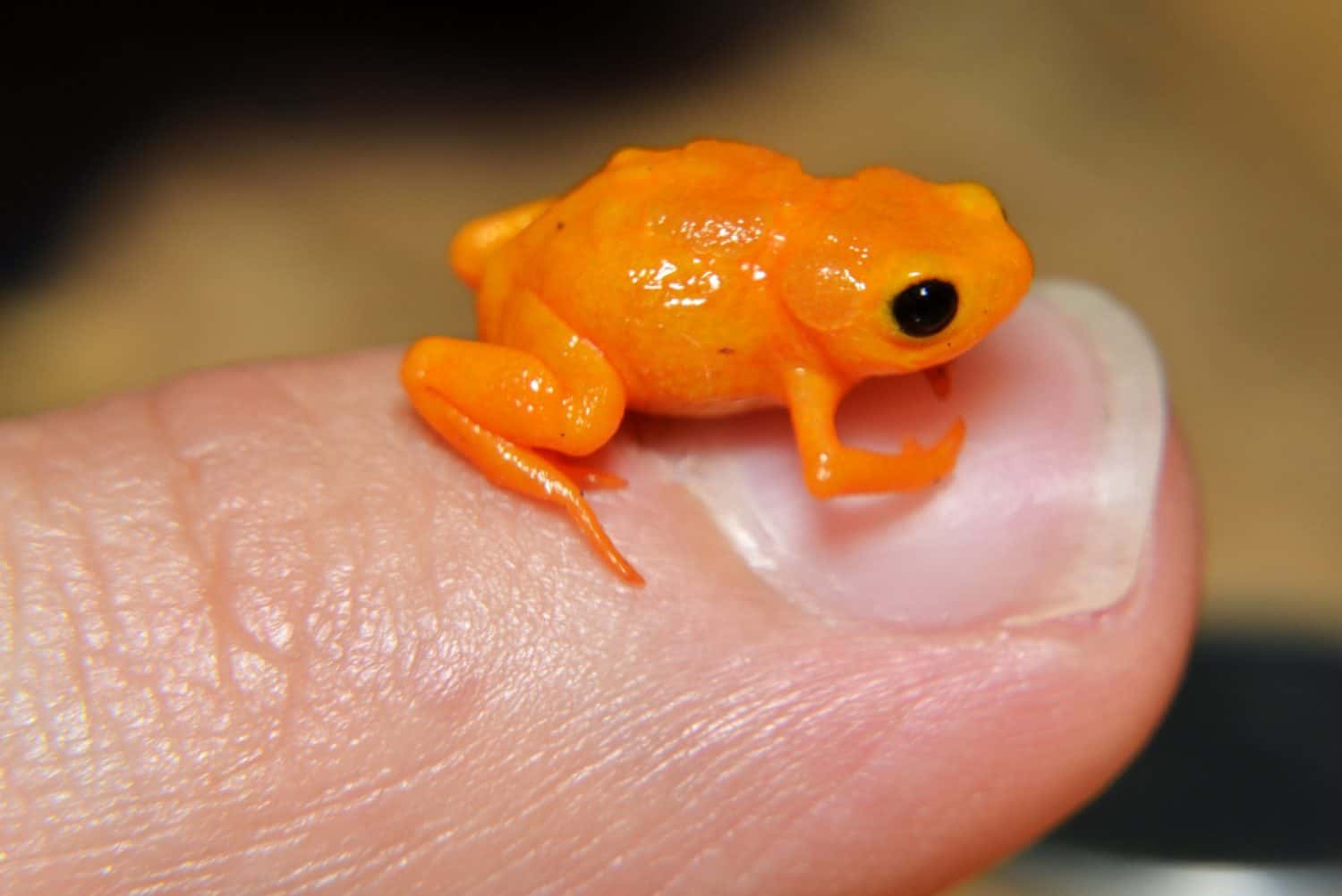
The tiny pumpkin toadlet is a bright orange frog that can sit on your fingernail, yet it took years for scientists to find it.
Mark Ciotola, CEO and Co-Founder of Sustain Space.
Everyone talks about getting humans to Mars. But almost nobody talks about the harder question — how do you keep them alive once they get there? My guest today says the answer isn’t bigger rockets — it’s plants.
Mark Ciotola is CEO and Co-Founder of Sustain Space (https://www.sustainspace.com/), a company focused on developing regenerative life-support technologies for future space missions while translating those innovations to improve agriculture and sustainability on Earth. Through Sustain Space’s Orbital Genomics initiative, he is helping advance research into growing plants in space environments — an essential capability for long-duration missions to the Moon, Mars, and beyond.
Mark’s career spans entrepreneurship, academia, industry, and government, including work with NASA, Genentech, Applied Biosystems, Intuit, Carnegie Mellon University, Monash University, San Francisco State University, and Singularity University, where he served as Entrepreneur-in-Residence and faculty member in Space and Physical Sciences.
A physicist, entrepreneur, educator, and sustainability advocate, Mark is particularly interested in regenerative ecosystems, closed-loop life-support systems, space agriculture, and the broader question of how humanity can build a sustainable future both on Earth and beyond it.
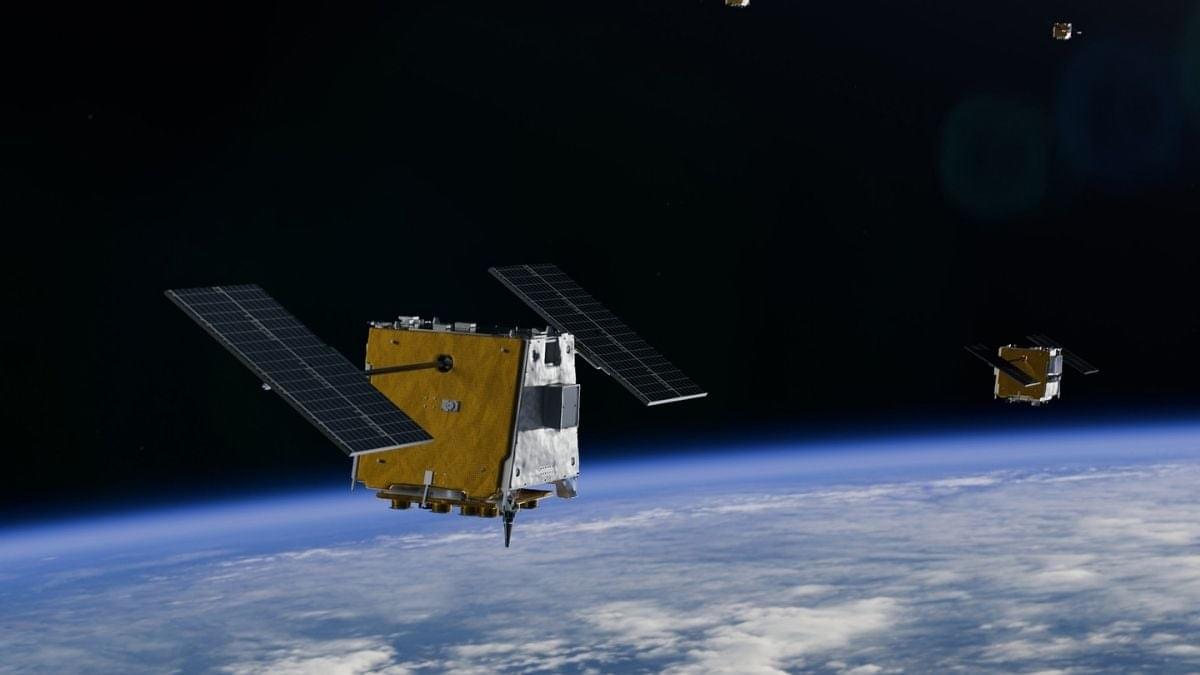
The standard approach to satellite imagery is to snap huge batches of pictures and beam them back to Earth, where they can be sifted through by human operators and the best available algorithms.
It’s all worked well so far, but the time, transmission bandwidth, and energy required are starting to become bottlenecks. Modern satellites are simply capturing more pixels than scientists have time to look at.
However, the YAM-9 satellite has just done something different: It has identified and described features in its image scans without needing to check back with ground control.
Support this channel on Patreon to help me make this a full time job: / whatdamath (Unreleased videos, extra footage, DMs, no ads)
Alternatively, PayPal donations can be sent here: http://paypal.me/whatdamath.
Get a Wonderful Person Tee: https://teespring.com/stores/whatdamath.
More cool designs are on Amazon: https://amzn.to/3QFIrFX
Hello and welcome! My name is Anton and in this video, we will talk about distributed intelligence and experiments on slime mold and ants.
Links:
https://journals.aps.org/prxlife/pdf/.…
ANT Lab • The odorous house ant trail pheromone depo…
Audrey Dussutour • Blob crawling around.
#inteligence #artificialintelligence #biology.
0:00 Intelligence — what is it?
1:10 Mechanical intelligence in the slime mold.
3:30 How it seems to work.
5:55 Ants and swarm intelligence.
6:45 What is the queen for?
8:35 Other swarm animals.
9:45 Ants vs humans.
11:10 Collective intelligence.
12:00 Implications for AI
13:20 Implications for the existence of alien intelligence.
Enjoy and please subscribe.
Bitcoin/Ethereum to spare? Donate them here to help this channel grow!
bc1qnkl3nk0zt7w0xzrgur9pnkcduj7a3xxllcn7d4
or ETH: 0x60f088B10b03115405d313f964BeA93eF0Bd3DbF
The hardware used to record these videos:
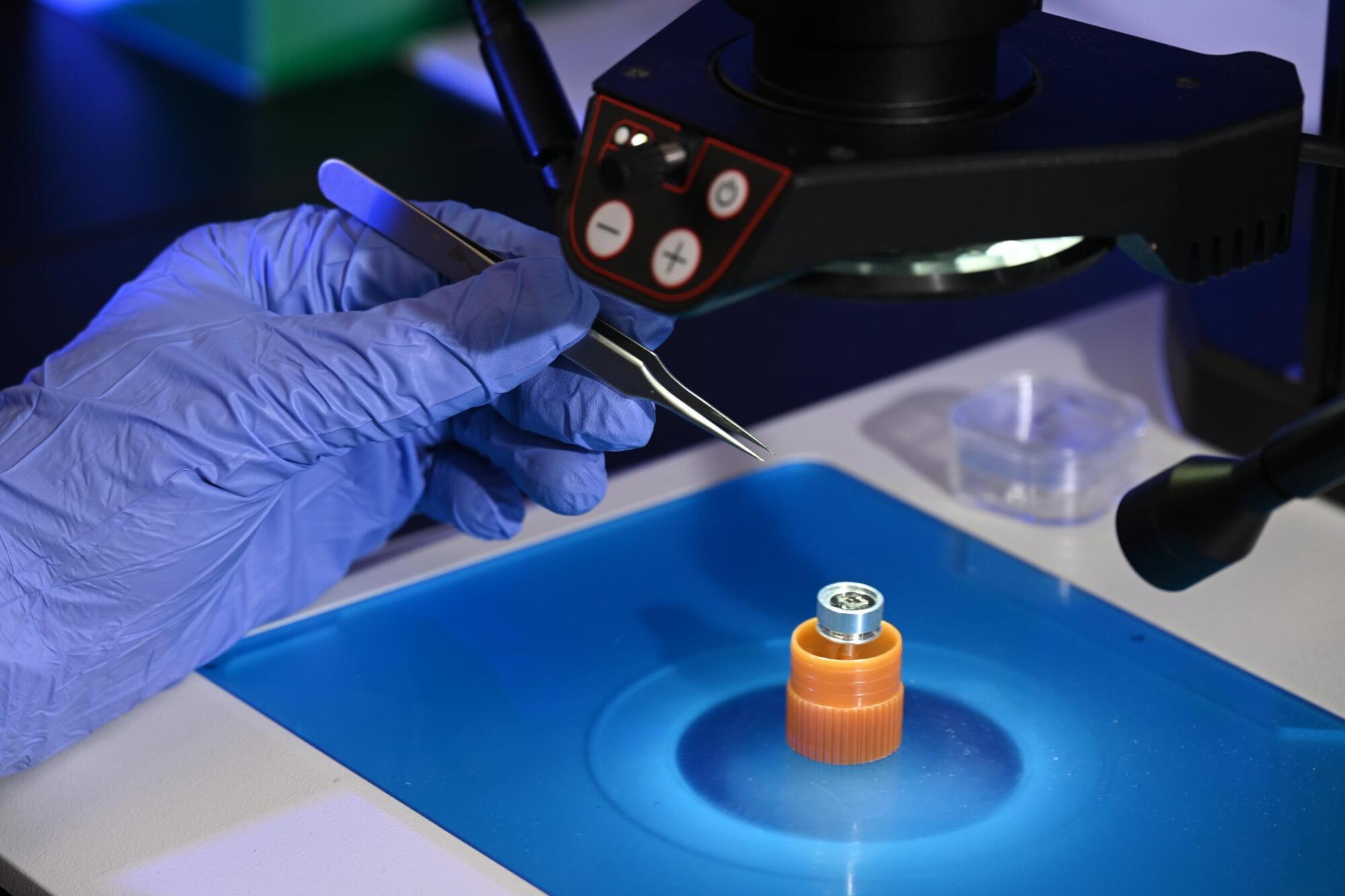
Plutonium is one of the most complex elements in the periodic table. First synthesized and isolated in 1940 by scientists at the University of California, Berkeley, plutonium has been studied closely for more than eight decades. It’s most often associated with its role in nuclear security, but it’s also vital to nuclear power, where it is produced in reactors and can be recycled as fuel. Despite plutonium’s importance, some of its most fundamental behaviors remain a mystery.
Scientists at the Idaho National Laboratory (INL) have made an important discovery: A compound called plutonium hexaboride (PuB₆) exhibits a one-of-a-kind quantum property known as a topological Kondo insulating state. Published in Physical Review Research, this finding marks one of only a handful of times such behavior has been observed in a plutonium material—opening a new window for research into how some of nature’s most complex elements actually work.
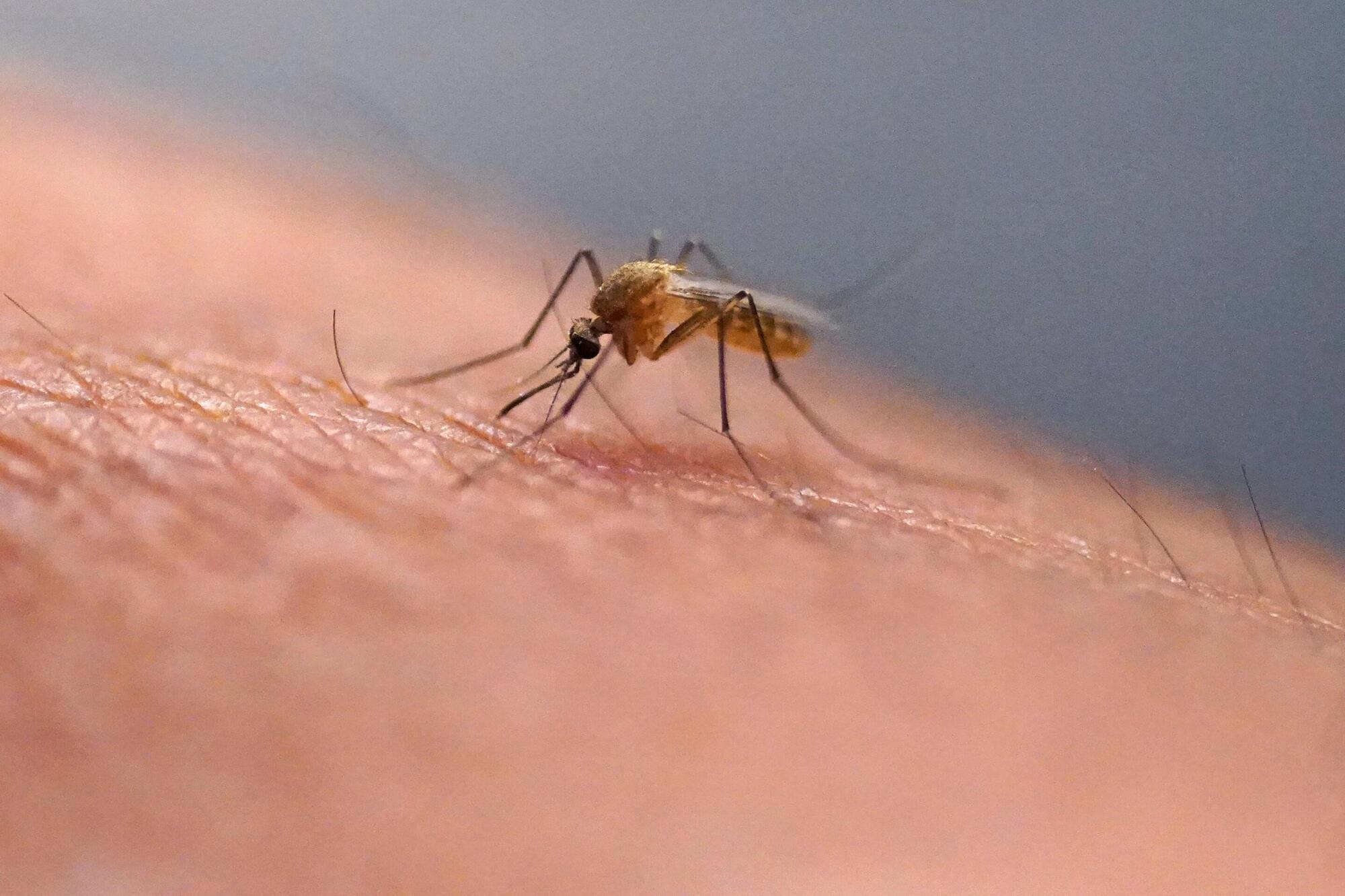
You’ve likely heard it since childhood: Don’t scratch that bug bite or rash, you’ll make it worse. But why would something that feels so good be bad?
A lot of things can cause itchiness, sometimes serious diseases. Whatever the cause, doctors have long warned that scratching too much can damage the skin. Now researchers better understand why even a mildly annoying itch could put you on an itch-and-scratch cycle if you give in.
How did they find out? In part by putting tiny “cones of shame” onto mice to uncover what happens on a cellular level when an itch gets scratched—or left alone.
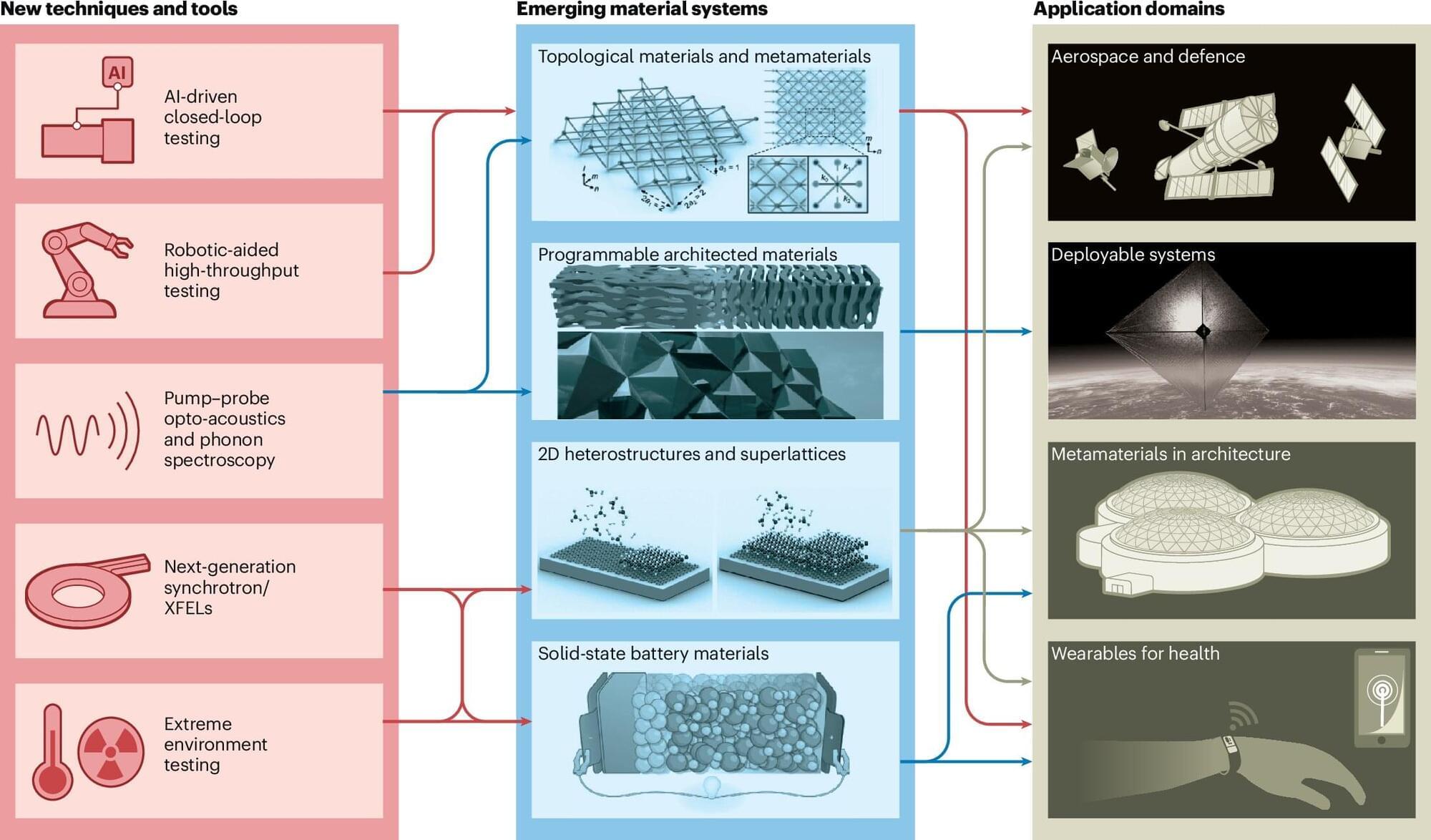
New instruments on the horizon promise the most precise tools yet to study and experiment on the smallest and most complex materials ever manufactured. In a paper published in the journal Nature Materials, University of Cincinnati assistant professor Hanxun Jin highlighted advances in ultrasensitive technology to measure and manipulate some of the tiniest nanomaterials used in manufacturing, aerospace, medicine and more.
And when Jin says tiny, he means really tiny. Semiconductor nanocrystals called quantum dots that are used in TV screens are so small they’re considered zero-dimensional. That makes the field of nanomaterials characterization a particularly exciting one, Jin said.